
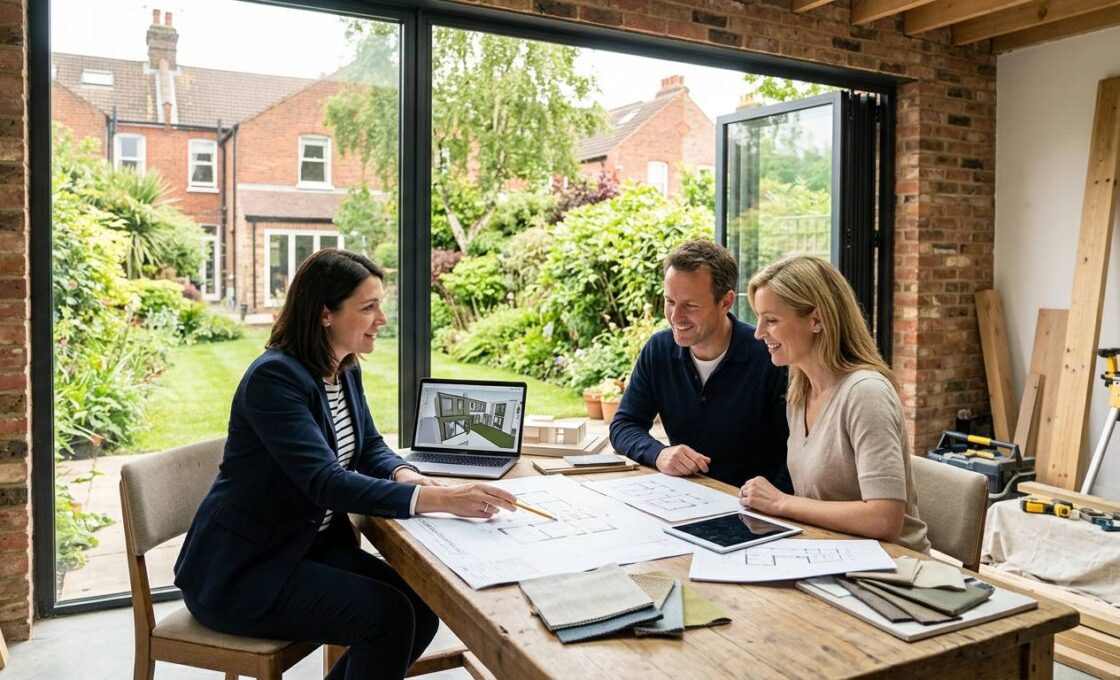
Taking on a home extension, renovation or new build is a significant investment, and choosing the right professional to guide the process can make a real difference. Homeowners looking for architects working in Wimbledon often focus on style or cost first, but there are several other factors that deserve just as much attention before making a decision.
Whether you are expanding a family home or creating a completely new living space, spending time selecting the right architect can help avoid unnecessary delays, unexpected costs and design compromises later in the project.
Understand Your Project Before You Start
Before approaching an architect, think carefully about what you want to achieve. Every project has different requirements, and not every architect specialises in the same type of work. Some have extensive experience with listed buildings and conservation areas, while others focus on contemporary homes, extensions or loft conversions.
Looking through completed projects is one of the simplest ways to see whether an architect’s experience aligns with your own plans.
The Value of Local Knowledge
Planning policies and design expectations vary from one area to another. An architect who regularly works within the local planning authority will often have a better understanding of local requirements, conservation areas and the types of designs that are more likely to receive approval.
Although no planning application is guaranteed to succeed, local experience can make the process more straightforward and help identify potential challenges at an early stage.
Prioritise Good Communication
Strong communication is one of the most important qualities to look for. Your architect should take time to understand how you want to use your home, explain technical information clearly and keep you informed throughout each stage of the project.
A collaborative working relationship often leads to better design decisions and fewer misunderstandings during construction.
Know Exactly What Is Included
Architectural services can vary considerably. Some practices remain involved from the first concept through to completion on site, while others provide only planning drawings.
Ask for a clear breakdown of the services included, along with any additional costs that may arise later. This makes it easier to compare proposals and understand exactly what you are paying for.
Be Open About Your Budget
Discussing your budget from the outset helps create realistic designs that can actually be built. An experienced architect will consider construction costs alongside the design itself, helping to balance ambition with affordability.
This approach can reduce the need for expensive redesigns later in the process.
Check References and Previous Work
Photographs of completed projects only tell part of the story. Speaking with previous clients can provide valuable insight into how an architect communicates, manages timescales and responds when unexpected issues arise.
Building projects rarely progress exactly as planned, so it is reassuring to know how problems are handled when they occur.
Think Beyond the Design
Many successful projects involve a wider team, including structural engineers, planning consultants and building control specialists. Understanding how your architect coordinates with these professionals can give you confidence that the project will run as efficiently as possible.
It is also worth considering how comfortable you feel working with them. You may be collaborating for many months, making trust and good communication just as important as technical expertise.
Choose Value Over Price
While it can be tempting to select the lowest quotation, fees should only be one part of the decision. Lower costs may reflect a reduced level of service or less involvement during the construction phase.
Instead, look at the overall value being offered. Experience, communication, local knowledge and ongoing support can all contribute to a smoother project and a better final result.
Choosing an architect is about much more than finding someone who can produce attractive drawings. The right professional will balance creative ideas with practical solutions, planning requirements and financial considerations, helping to turn your vision into a successful home that works for years to come.