
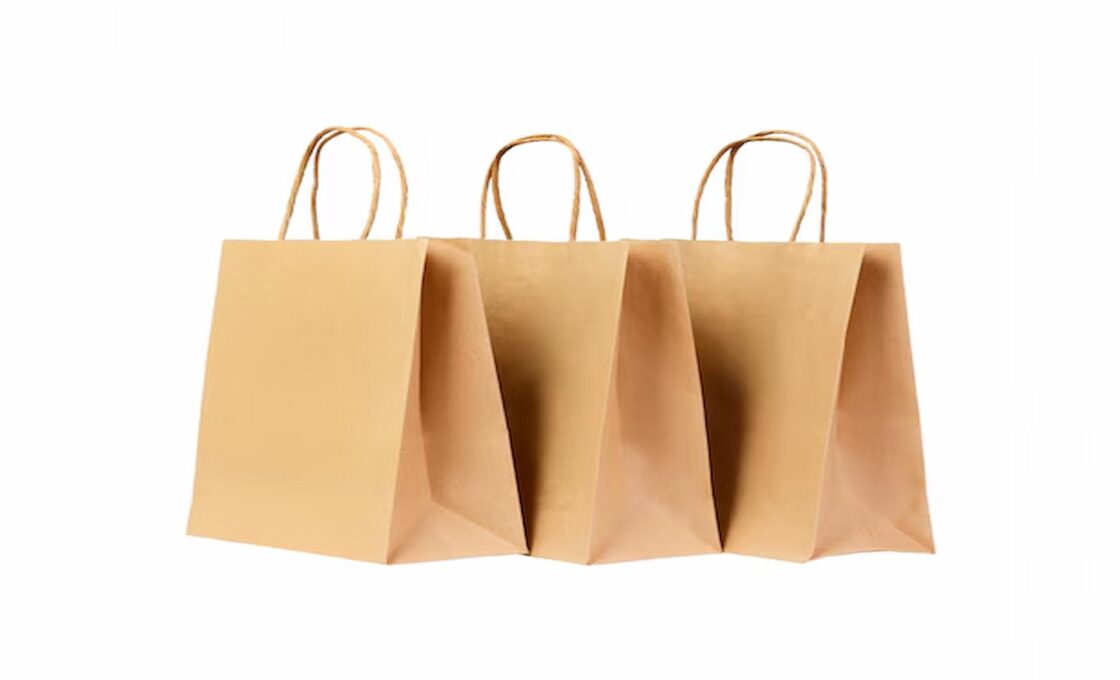
In today’s competitive retail landscape, the packaging you select speaks volumes about your brand and directly influences customer perception, product safety, and environmental impact. Paper bags remain a popular choice for their versatility and appeal, yet the decision between laminated and uncoated options requires careful consideration. Laminated versions offer enhanced protection and a polished finish, while uncoated bags prioritise a natural aesthetic and easier recyclability. Understanding the key differences helps businesses make informed choices that align with product requirements, customer expectations, and sustainability goals.
Printed laminated paper bags stand out when durability and visual impact matter most. These bags feature a thin protective layer, often polypropylene or similar material, applied over high-quality paper stock. This combination delivers superior strength and resistance to tearing, moisture, and general wear compared to standard uncoated alternatives.
Understanding the Core Differences
Laminated paper bags undergo an additional manufacturing process that bonds a coating to the paper surface. This creates a barrier against external elements, making them suitable for items that might encounter humidity or handling during transport and display. Uncoated paper bags, by contrast, retain their raw, fibrous texture, which supports excellent print absorption but leaves them more vulnerable to environmental factors.
The choice often hinges on product type, intended use, and target audience. For premium goods or those sold in variable conditions, the added protection of lamination justifies the slight increase in cost. Retailers and manufacturers who prioritise long-term presentation frequently opt for this route.
Key Advantages of Laminated Paper Bags
Laminated options excel in several practical areas. The coating enhances colour vibrancy and sharpness of printed designs, ensuring logos and graphics remain eye-catching even after repeated use. This makes them ideal for brands seeking a high-end look that reinforces quality.
They also provide better structural integrity. The extra layer reduces the risk of bags splitting under weight, which proves valuable for heavier products or those with irregular shapes. Additionally, the water-resistant properties help maintain product freshness and prevent damage from light rain or condensation—common concerns in outdoor markets or busy shopping environments.
From a branding perspective, these bags offer a professional appearance that customers associate with established, quality-focused companies. The smooth surface allows for intricate designs, spot UV finishes, or embossing, elevating the unboxing experience.
When Uncoated Bags May Be Preferable
Uncoated paper bags shine in scenarios where sustainability and tactile appeal take precedence. Their natural feel appeals to eco-conscious consumers who value simplicity and recyclability. These bags work particularly well for dry, lightweight items such as clothing, books, or artisanal goods where moisture exposure remains minimal.
Businesses operating in zero-waste or plastic-free initiatives often favour uncoated varieties because they break down more readily in standard recycling streams. The absence of a coating also means lower production costs, which can benefit smaller brands or high-volume promotions.
However, uncoated bags may require additional reinforcements, such as handles or gussets, for heavier loads, and their print quality may appear less vivid due to greater ink absorption by the paper fibres.
Factors to Consider in Your Decision
Several practical elements guide whether laminated or uncoated bags best serve your needs. Product sensitivity to moisture ranks high on the list. Food items, cosmetics, or electronics accessories often benefit from the protective qualities of lamination to prevent spoilage or damage.
These printed laminated paper bags also prove advantageous in retail environments with high foot traffic or seasonal promotions, where bags endure more handling. Their extended lifespan means customers may reuse them, extending brand visibility beyond the initial purchase.
Consider your supply chain and storage conditions too. Warehouses with fluctuating humidity levels or frequent outdoor deliveries favour laminated solutions. Budget constraints play a role as well—laminated bags carry a premium, but their durability can reduce replacement frequency and enhance perceived value.
Target demographics matter enormously. Younger consumers or those shopping in urban boutiques might appreciate the premium feel of laminated finishes, while rural or environmentally focused markets lean towards uncoated options.
Product Categories That Benefit Most from Lamination
Certain industries gain clear advantages from choosing laminated paper bags:
- Food and Beverage: Baked goods, confectionery, and takeaway items stay fresher longer thanks to moisture barriers.
- Cosmetics and Personal Care: Creams, perfumes, and beauty products maintain integrity during transport.
- Retail Fashion and Accessories: Luxury scarves, jewellery, or small apparel items receive elegant presentation.
- Electronics and Gadgets: Chargers, headphones, and accessories receive protection from scratches and dust.
- Homeware and Gifts: Fragile or decorative items benefit from sturdy, attractive packaging.
In each case, the lamination layer adds functionality without compromising the eco-friendly base of paper construction.
Sustainability Considerations and Best Practices
Modern laminated paper bags increasingly incorporate recyclable and responsibly sourced materials. Many manufacturers now offer versions where the laminate separates easily during recycling, addressing past concerns about mixed-material waste.
Brands committed to transparency can highlight certifications such as FSC for paper sourcing and provide clear disposal instructions to customers. This approach builds trust and aligns with growing consumer demand for responsible packaging.
To maximise benefits, work closely with suppliers to select the right thickness and coating type for your specific products. Testing samples under real-world conditions ensures optimal performance before committing to large orders.
- Durability testing: Check tear resistance and load capacity with sample products.
- Print quality assessment: Evaluate how colours and details appear on both surfaces.
- Customer feedback loops: Gather input on bag appeal and functionality post-purchase.
- Cost-benefit analysis: Calculate long-term savings from reduced damage and enhanced brand recall.
- Environmental impact review: Compare full lifecycle assessments including production, use, and disposal.
- Regulatory compliance: Ensure adherence to local packaging waste directives and labelling requirements.
- Design versatility: Explore options for handles, gussets, and custom sizes.
- Storage efficiency: Consider how bag types perform in your warehouse conditions.
Balancing Cost, Performance, and Brand Values
Successful businesses weigh multiple factors rather than defaulting to the cheapest or most visually striking option. Laminated paper bags often deliver strong return on investment through superior protection and repeated customer exposure. They help differentiate products on crowded shelves and support premium pricing strategies.
Yet uncoated alternatives retain strong appeal for brands emphasising minimalism and circular economy principles. The decision ultimately reflects your overall brand story and practical needs.
Making the Smart Choice for Your Packaging
Selecting the right paper bags strengthens customer relationships and protects your products effectively. Laminated versions provide clear benefits for items requiring extra resilience and visual polish, particularly in demanding retail settings. By evaluating product characteristics, audience preferences, and sustainability targets, you position your brand for success while delivering practical value to shoppers. This thoughtful approach ensures packaging becomes a genuine asset rather than an afterthought.