
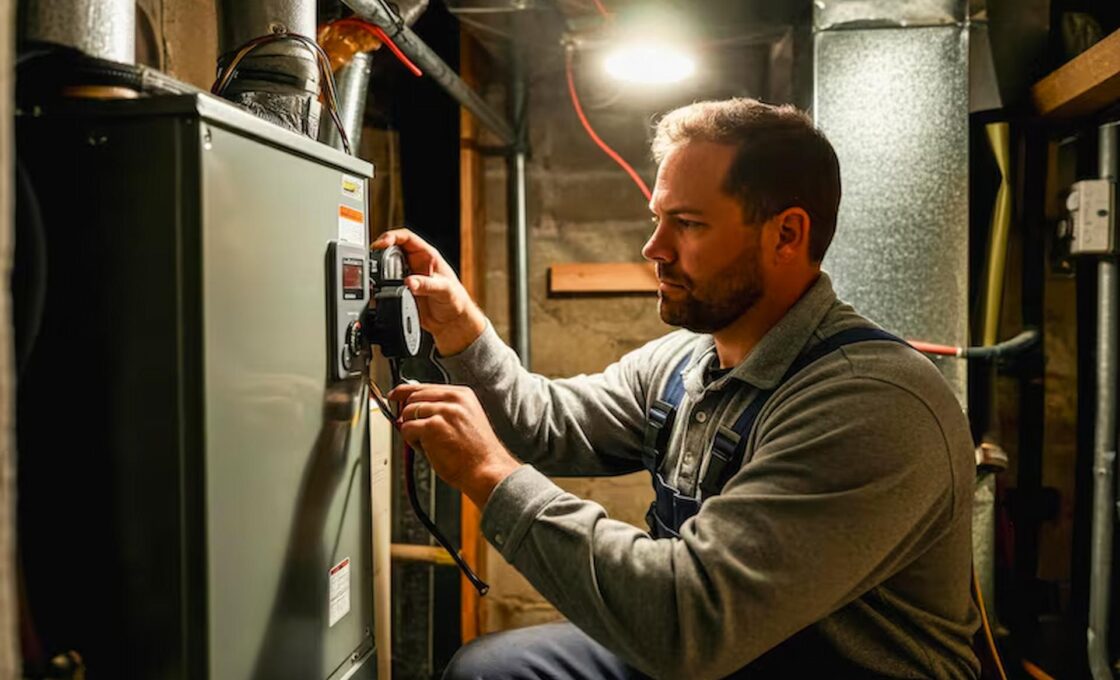
Installing a furnace in the attic may seem like a space-saving solution, but it often creates long-term problems for homeowners. From energy loss and difficult access for maintenance to safety concerns and reduced efficiency, attic furnace systems come with several hidden drawbacks. Understanding these issues before installation can help homeowners make smarter HVAC decisions, reduce future repair costs, and improve indoor comfort year-round.
Many homeowners look for creative ways to save indoor space when installing a heating system. One common option is to place the furnace in the attic. At first glance, this setup appears practical because it frees up utility room space and keeps large HVAC equipment out of sight. However, attic furnace installations often create more problems than benefits over time.
Heating systems perform best when installed in stable, controlled environments. Unfortunately, attics experience extreme temperatures, moisture fluctuations, airflow issues, and accessibility challenges that can negatively affect furnace performance and lifespan.
Maintenance and Repairs Become More Difficult
Accessibility is one of the biggest concerns with attic furnace systems. Routine maintenance tasks become more difficult when technicians must navigate tight attic spaces, low ceilings, or unsafe walking surfaces.
Simple service appointments that would normally take minutes may require additional time and effort. This increases labor costs and sometimes discourages homeowners from scheduling regular maintenance altogether.
Many HVAC professionals cite accessibility as one of the strongest reasons against attic furnace installation because difficult access often leads to neglected maintenance and higher long-term repair costs.
Extreme Temperatures Reduce Furnace Efficiency
Attics are exposed to severe temperature changes throughout the year. During summer, attic temperatures can exceed 120 degrees Fahrenheit. In winter, the same space may become extremely cold depending on the insulation and ventilation.
These temperature swings place extra strain on furnace components. HVAC systems work harder to maintain indoor comfort when installed in unstable environments. As a result, the furnace may cycle more frequently, consume more energy, and wear out faster than a system installed in a conditioned area.
Ductwork installed in hot or cold attic spaces also loses heat more easily. Even properly insulated ducts cannot completely eliminate thermal loss. This means homeowners often pay higher utility bills while receiving less efficient heating performance.
Increased Risk of Moisture and Condensation Problems
Attics are naturally more vulnerable to humidity and moisture issues than interior living spaces. When warm air from the furnace meets cold attic surfaces, condensation can form around ductwork, vents, and other system components.
Excess moisture creates several potential problems, including:
- Rust and corrosion on furnace parts
- Reduced equipment lifespan
- Water damage near insulation or ceilings
- Mold and mildew growth
- Declining indoor air quality
Condensation problems are especially common in regions with cold winters and high humidity levels. If ventilation and insulation are not properly designed, moisture buildup can gradually damage both the HVAC system and surrounding structural materials.
Higher Energy Loss Through Ductwork
Duct systems installed in attics are far more vulnerable to energy loss than those located inside conditioned spaces. Heated air traveling through attic ducts can lose significant warmth before reaching interior rooms, particularly during the winter months.
Even well-insulated ductwork cannot fully prevent heat transfer when attic conditions become extreme.
Energy losses from attic duct systems can lead to:
- Higher monthly utility bills
- Uneven indoor temperatures
- Longer heating cycles
- Increased furnace workload
- Reduced overall HVAC efficiency
According to the U.S. Department of Energy, poorly insulated or leaking ducts can reduce HVAC efficiency by as much as 20 to 30 percent in some homes.
These efficiency losses become even more problematic as energy costs continue rising.
Safety Concerns Can Increase
Safety should always remain a top priority when selecting furnace placement. Attic installations may create additional fire, ventilation, and carbon monoxide concerns if the system is not properly installed and maintained.
Restricted attic airflow can affect combustion performance in gas furnaces. Improper venting may also increase the risk of dangerous gases accumulating inside enclosed spaces.
Additionally, technicians working in cramped attic environments face a higher risk of injury during maintenance and repairs. Limited lighting, unstable flooring, and extreme temperatures can create hazardous working conditions.
Shorter Equipment Lifespan
Furnaces installed in controlled indoor spaces generally last longer because they operate under more stable environmental conditions. In contrast, attic systems endure constant exposure to temperature extremes, humidity, and dust accumulation.
Frequent overheating and overworking often cause attic-installed furnaces to experience:
- More frequent breakdowns
- Higher repair frequency
- Reduced efficiency over time
- Premature system replacement
Replacing a furnace earlier than expected can become a major financial burden for homeowners, especially if additional attic modifications are needed during replacement.
Airflow Problems Are More Common
Proper airflow is essential for maintaining consistent heating performance throughout a home. Unfortunately, attic furnace systems sometimes struggle to distribute air evenly across multiple floors.
Long duct runs between the attic and lower living areas may reduce airflow pressure and temperature consistency. Rooms farther from the furnace may feel colder, while upper floors become overly warm.
Many HVAC specialists consider airflow inefficiency one of the key reasons against attic furnace installation, particularly in larger homes with complex floor plans.
Noise and Structural Issues Can Develop
Some homeowners notice increased vibration or noise transfer when furnaces are installed overhead in attic spaces. Vibrations from blower motors and duct expansion may travel through ceilings and framing structures, creating unwanted indoor noise.
Additionally, older homes may require structural reinforcement to safely support the weight of HVAC equipment inside the attic. Improper support can eventually lead to ceiling strain or structural issues.
Alternative Furnace Locations Often Work Better
In many homes, basements, garages, utility rooms, or dedicated mechanical closets provide far better environments for installing a furnace. These spaces offer:
- Easier maintenance access
- Better temperature stability
- Reduced energy loss
- Improved airflow control
- Safer working conditions
- Longer equipment lifespan
While attic installations may occasionally make sense in homes with limited space, they are rarely the most efficient or maintenance-friendly option available.
Conclusion
Installing a furnace in the attic may appear convenient at first, but the long-term disadvantages often outweigh the short-term space-saving benefits. Extreme temperatures, difficult maintenance access, energy loss, moisture problems, airflow issues, and safety concerns can all negatively impact system performance and homeowner comfort.
Understanding the biggest drawbacks before installation allows homeowners to make better-informed HVAC decisions. In many cases, selecting a more accessible and temperature-controlled location can improve efficiency, lower repair costs, extend equipment lifespan, and provide more reliable heating performance for years to come.