In modern manufacturing, casting remains one of the most essential techniques for producing durable, precise, and complex metal components. Among the various metals used in casting, steel and aluminium are the most widely chosen materials. Both have unique properties that make them suitable for different industrial applications. The decision between the two depends on factors such as strength, weight, cost, and performance requirements. With rapid advancements in investment casting, both steel and aluminium have seen remarkable improvements in quality, efficiency, and design flexibility. Let’s explore how each material performs and how to decide which is best for your needs.
Strength and Durability
When strength is a priority, steel often comes out on top. Steel casting is known for its high tensile strength, durability, and resistance to wear and deformation. This makes it ideal for heavy-duty industries such as construction, mining, and energy production. Components like gears, valves, and turbine blades often rely on steel for its ability to withstand extreme loads and temperatures.
Aluminium, by comparison, offers less strength but excels in other areas. It provides sufficient durability for lightweight applications such as automotive, aerospace, and consumer products. Aluminium alloys can be strengthened through heat treatment, giving them good performance while maintaining their lightweight advantage.
Recent technological advancements in alloy development have also narrowed the gap between steel and aluminium. Engineers now design hybrid alloys that deliver improved strength without compromising other properties. However, if your application demands exceptional toughness and impact resistance, steel casting is still the more reliable choice.
Weight and Efficiency
One of aluminium’s most significant advantages is its low density. It’s about three times lighter than steel, which translates into substantial weight savings. In industries such as automotive and aerospace, where reducing weight improves fuel efficiency and performance, aluminium casting offers a clear benefit.
Lightweight aluminium components also contribute to easier handling, lower transport costs, and enhanced design flexibility. Manufacturers can create thinner sections without sacrificing too much strength, allowing for more complex shapes and detailed designs.
Steel, on the other hand, is heavier but offers better rigidity. For applications that require structural integrity and minimal flexing, such as machinery frames or heavy equipment parts, the extra weight of steel is beneficial.
In today’s world of sustainable manufacturing, efficiency is key. Aluminium casting’s lightweight nature contributes to energy savings not just during operation but also throughout the entire product lifecycle. Many industries are turning to aluminium as part of their efforts to reduce emissions and improve overall energy efficiency.
Corrosion Resistance and Longevity
Corrosion resistance plays a critical role in determining the right material. Aluminium naturally forms a thin oxide layer that protects it from rust and corrosion. This makes it ideal for outdoor environments or applications exposed to moisture, such as marine components, air conditioning units, and outdoor lighting systems.
Steel, particularly carbon steel, is more vulnerable to corrosion. However, when treated or alloyed with elements like chromium or nickel (as in stainless steel), it gains excellent rust resistance. Modern surface coating technologies, including powder coating and galvanising, have further enhanced steel’s longevity in harsh conditions.
If your application operates in a corrosive environment, aluminium may be the more cost-effective option, especially for smaller or less load-bearing parts. For high-stress applications that require both corrosion resistance and strength, stainless steel casting through advanced investment casting methods can provide the perfect balance.
Thermal Conductivity and Heat Resistance
Thermal performance is another important factor in material selection. Aluminium has excellent thermal conductivity, allowing it to dissipate heat quickly. This makes it suitable for components such as heat sinks, engine parts, and cooling systems.
Steel, on the other hand, can handle higher temperatures without losing its structural integrity. It retains strength even in extreme heat, making it the preferred choice for industrial furnaces, turbines, and heavy machinery. Modern investment casting processes have improved steel’s microstructure, allowing it to perform even better under thermal stress.
In applications where both heat resistance and lightweight design are needed, hybrid materials or coated aluminium alloys are increasingly being used. Manufacturers are experimenting with multi-metal casting techniques that combine steel’s resilience with aluminium’s thermal efficiency.
Cost and Production Efficiency
Cost is often the deciding factor in choosing between steel and aluminium. Aluminium casting is generally more expensive due to higher raw material costs and complex processing methods. However, its lightweight nature and lower energy requirements can offset these expenses over time, especially in industries focused on efficiency.
Steel casting, while heavier, is typically more affordable in terms of raw material and production. Its versatility allows for large-scale manufacturing of robust parts at a lower overall cost. In addition, steel has a longer lifespan in high-stress environments, reducing the need for frequent replacements.
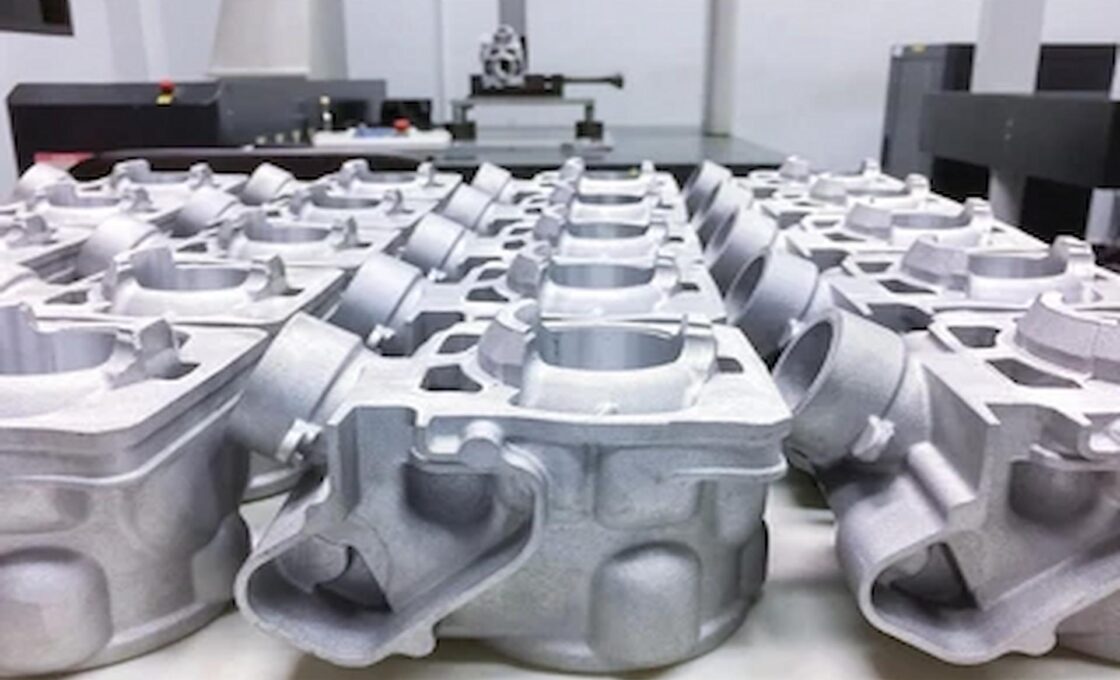
The choice also depends on the casting method. With Investment Casting, manufacturers can produce intricate designs in both steel and aluminium with minimal waste. This precision technique offers excellent dimensional accuracy and surface finish, reducing the need for secondary machining. As a result, both materials can be produced more efficiently, with less environmental impact.
Sustainability and Environmental Impact
Sustainability is no longer optional—it’s a driving force behind modern manufacturing decisions. Both steel and aluminium can be recycled multiple times without losing their properties, making them environmentally responsible choices.
Aluminium recycling consumes only about 5% of the energy required to produce new aluminium, giving it a significant edge in eco-efficiency. Steel, while heavier, is one of the most recycled materials on the planet, with well-established recycling systems globally.
Emerging technologies in Investment Casting are helping manufacturers minimise waste and energy use even further. Advanced simulation tools allow engineers to optimize mold designs, reduce excess material, and improve yield rates. These innovations ensure that both steel and aluminium castings align with global sustainability goals.
Choosing the Right Material
Ultimately, the decision between steel and aluminium casting depends on your specific application. If you require maximum strength, heat resistance, and durability under extreme conditions, steel is the clear winner. It’s best suited for structural components, industrial machinery, and heavy-duty parts that endure constant stress.
If your priority is lightweight design, corrosion resistance, and energy efficiency, aluminum casting may be the better choice. It’s ideal for automotive, aerospace, and consumer applications where every gram counts.
For many manufacturers, a hybrid approach is becoming popular—combining steel and aluminium components for optimised performance. With advancements in Investment Casting, achieving this combination is easier than ever before, allowing for high-precision, complex parts that balance both strength and efficiency.
Conclusion
Steel and aluminium casting each bring distinct advantages to modern manufacturing. The choice comes down to performance requirements, cost considerations, and environmental goals. As Investment Casting technology continues to evolve, both materials are becoming more precise, efficient, and sustainable. Whether you’re building aircraft components, automotive systems, or heavy industrial machinery, understanding the unique properties of each metal will help you make the right choice—one that ensures both quality and long-term value.