
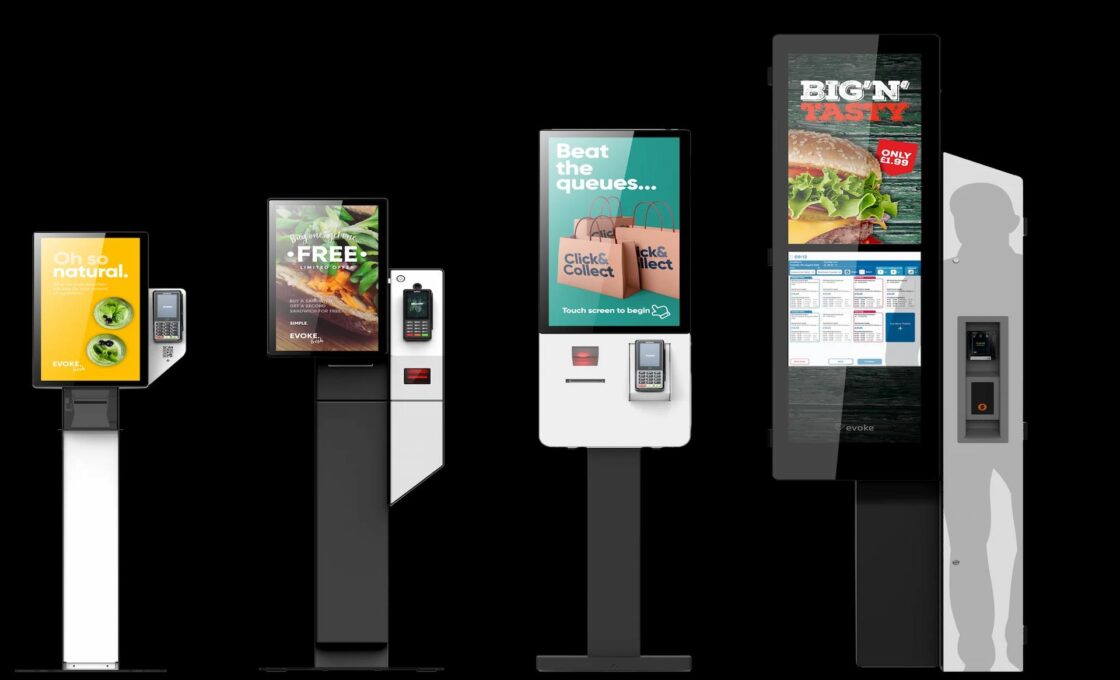
Customer expectations continue to rise, and people now look for journeys that are smooth, intuitive, and supported by smart technology. Blending thoughtful design with intelligent systems is no longer optional — it is essential. Companies like Evoke Creative show how this combination transforms interactions into meaningful, modern experiences.
Across retail, hospitality, transport, and public spaces, the way customers engage with services has changed dramatically. Digital touchpoints now guide people through everyday tasks — from checking in to placing orders or finding information. As these touchpoints multiply, the need for strong, human-centred design grows. Customers want clarity, efficiency, and comfort, not complexity or confusion.
Modern businesses, therefore, face a crucial challenge: building journeys that are logical, attractive, and powered by reliable technology. This balance defines today’s best customer experiences. Organisations known for innovative interactive solutions, such as Evoke Creative, demonstrate how the thoughtful integration of design and technology can turn routine interactions into streamlined, user-friendly journeys.
Understanding the Modern Customer Journey
Customers Expect Seamless, Connected Experiences
Today’s customer journey does not follow a straight path. People may shift between mobile devices, kiosks, websites, and physical spaces within minutes. They expect each stage to feel connected and familiar. If one step feels disjointed or confusing, it disrupts the entire experience.
Human-centred design helps align these touchpoints so transitions feel smooth. Consistent interfaces, responsive layouts, and a unified visual identity allow customers to complete tasks without hesitation.
Speed, Clarity, and Control Drive Satisfaction
The modern customer prioritises convenience. They want shorter queues, faster screens, and clear instructions. Whether navigating a self-service checkout or interacting with a touchscreen directory, people value experiences that enable them to stay in control. Good design and reliable technology work together to remove barriers and maintain this sense of control.
Why Technology and Design Must Work Together
Design Shapes Understanding; Technology Powers Functionality
Effective customer journeys rely on two key pillars: intuitive design and capable technology. Design determines how information is presented, how users move through steps, and how accessible features feel. Technology ensures everything behind the scenes works quickly, accurately, and securely.
The two are inseparable. Without thoughtful design, even the most advanced systems feel complicated. Without strong technology, even the best-designed interface becomes frustrating. Companies committed to usability — including teams behind innovative public and retail solutions like Evoke Creative — show how meaningful experiences come from a balanced partnership.
Emotional Impact Matters
Visual design influences trust and comfort. Layouts, colours, spacing, and animations shape how customers feel when interacting with digital systems. When design is pleasant and predictable, users experience less stress. This emotional balance supports sustained engagement and helps businesses deliver journeys that feel reassuring and efficient.
Key Principles That Shape Modern Customer Experiences
1. Clarity and Simplicity
Straightforward design reduces cognitive load. Clear labels, readable text, and logical navigation help customers complete tasks quickly. Even in multifunctional systems, simplicity ensures every feature remains easy to find and use.
2. Accessibility and Inclusivity
Accessible design ensures all customers can participate comfortably. This includes adjustable text sizes, high-contrast interfaces, ergonomic screen placement, and compatibility with assistive technologies. Inclusive design also acknowledges people of different ages, digital skill levels, and physical abilities.
3. Consistency Across Touchpoints
Consistency creates familiarity. When colours, layouts, and interaction patterns align across devices — from kiosks to apps — customers gain confidence. A consistent system reduces learning time and helps journeys feel unified.
4. Context-Aware Design
Customer journeys vary depending on where they occur. For example, retail shoppers may move quickly, while travellers in transport hubs may be stressed or carrying luggage. Context-aware design considers environment, pace, and user behaviour, shaping interfaces that respond realistically to each situation.
5. Feedback and Responsiveness
Customers need confirmation at every step — whether through visual cues, animations, or brief messages. Feedback reassures them that the system is working and guides them toward the following action.
How Technology Enhances the Customer Journey
Touch and Gesture Interaction
Familiar gestures like tapping, swiping, and scrolling make digital interactions intuitive. Well-designed touch interfaces mirror everyday device behaviour, making systems accessible even to first-time users.
Real-Time Data and Personalisation
Data-driven insights allow systems to adapt to customer needs. This may include personalised recommendations, real-time updates, or dynamic content. Personalisation increases relevance and speeds up decision-making, especially in busy environments.
Connectivity and Integration
Modern journeys rely on strong integration between physical and digital systems. Connected devices allow customers to begin a task on one platform and finish it on another. This flexibility streamlines interactions and removes unnecessary repetition.
Sensors and Intelligent Environments
Sensors enhance engagement by responding to movement, presence, or ambient conditions. From automatic wake-up screens to responsive lighting, these subtle adjustments improve the user experience and keep customers focused on their goals.
Where Blended Design and Technology Are Transforming Journeys
Retail Experiences
Self-service kiosks, interactive product finders, and digital signage help customers shop faster and more independently. When designed well, these tools enrich the experience while reducing queues and wait times.
Transport and Travel Hubs
Wayfinding screens, ticket machines, and check-in systems rely on quick responses and clear instructions. Human-centred design ensures travellers stay informed, calm, and on schedule.
Hospitality and Leisure
Digital ordering points, room information screens, and interactive menus create smoother hospitality experiences. Design must feel welcoming, while technology ensures speed and accuracy.
Public and Community Spaces
Libraries, museums, government offices, and health facilities increasingly use digital touchpoints to deliver information and services efficiently. Solutions shaped by people-first design help ensure these essential environments remain accessible to everyone.
Research and Testing: The Backbone of Better Journeys
Observation in Real Environments
Watching how people behave in natural settings reveals insights impossible to capture through assumptions alone. Designers can see where confusion arises, how quickly people respond, and where improvements are needed.
Iterative Prototyping
Prototypes allow teams to test layouts, wording, and navigation flows before final production. Each round of testing refines the experience, ensuring the final product supports the customer at every stage.
User Feedback and Data Analysis
Customer feedback, usage analytics, and heat mapping all highlight friction points. Data-driven improvements ensure the experience evolves and remains aligned with customer expectations.
The Future of Modern Customer Journeys
A Deeper Blend of Physical and Digital
As physical environments become more connected, customer journeys will rely even more on integrated design and responsive technology. Hybrid experiences — blending in-person and digital touchpoints — will continue to grow.
Greater Personalisation and Adaptability
Systems will adjust more intelligently, responding to individual preferences and real-world contexts. Personalised recommendations, adaptive layouts, and more intelligent automation will help create more meaningful journeys.
Human Empathy Will Remain Essential
No matter how advanced technology becomes, empathy and human understanding will continue to guide the best designs. The future belongs to systems that respect user comfort, diversity, and emotional experience.
Conclusion
Design and technology now form the foundation of modern customer journeys. When they work together, experiences become clearer, calmer, and more efficient. Blending these elements helps organisations meet rising expectations while creating environments that feel both intuitive and engaging.
As digital interactions continue to grow, the need for human-centred, well-integrated solutions will only increase. Companies embracing this approach, including innovators like Evoke Creative, demonstrate how thoughtful design and strong technology can build journeys that truly support the people who use them. By focusing on clarity, accessibility, and meaningful interaction, organisations can shape customer experiences that feel modern, connected, and genuinely user-focused.