Introduction
Businesses regularly invest in new computers, laptops, servers, networking hardware, and other digital equipment to maintain productivity and support changing operational requirements. However, while businesses often focus on purchasing and deploying new technology, the equipment they replace can easily become an afterthought. A clear strategy for retired IT assets is essential to improve security, reduce unnecessary storage, support sustainability, and maintain better control over technology resources. Working with experienced specialists such as Zero Tech Waste can help organisations introduce a more structured approach to managing technology once it reaches the end of its operational life.
Retired IT equipment should not simply be placed in storage and forgotten. Even devices that are no longer suitable for everyday business use may contain sensitive information, reusable components, and valuable materials. A well-planned retirement strategy ensures these assets are identified, managed, and processed responsibly.
Why Retired IT Equipment Becomes a Business Challenge
Technology replacement is a normal part of modern business operations.
Devices become outdated, software requirements change, hardware performance declines, and organisations introduce new systems to meet evolving business needs.
The problem often begins after replacement.
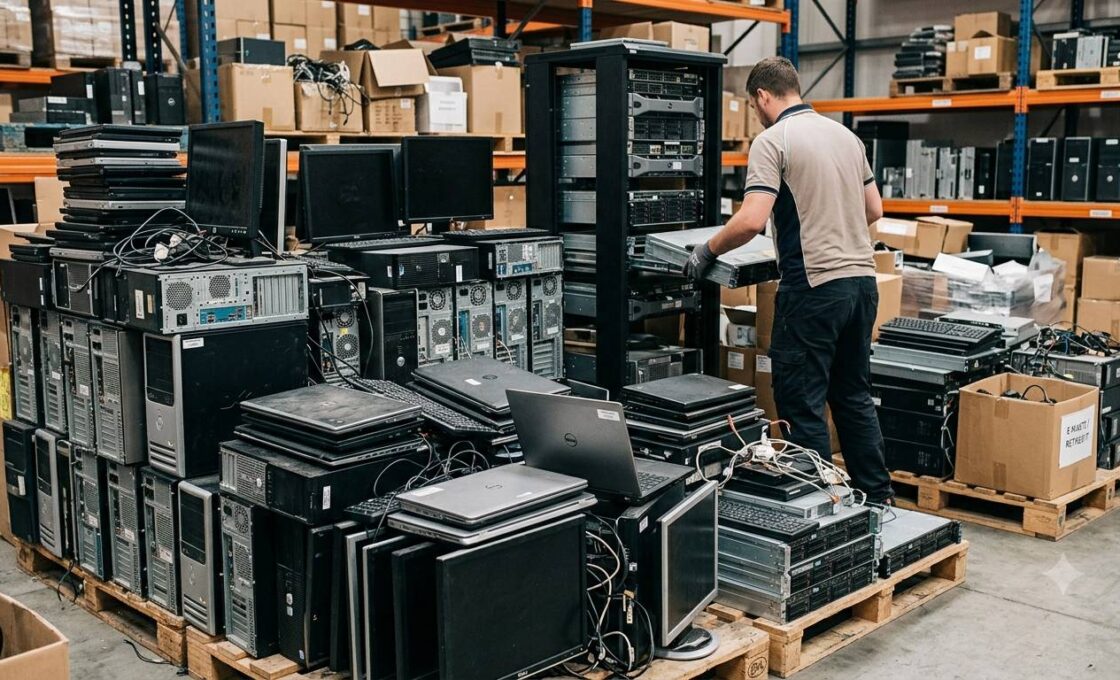
Older devices may end up in cupboards, storerooms, warehouses, or unused office spaces without a clear decision about what happens next. Over time, this can result in significant quantities of redundant equipment accumulating across the organisation.
Without a defined strategy, businesses may face:
- Increasing storage requirements
- Poor visibility of retired assets
- Unnecessary security risks
- Complicated asset inventories
- Delayed recycling and disposal
- Additional administrative work
A planned approach prevents redundant technology from becoming an ongoing operational problem.
Identifying Equipment That Is No Longer Required
The first step towards better management is understanding which technology assets are genuinely redundant.
Not every older device necessarily needs to leave the organisation immediately. Some equipment may remain suitable for secondary purposes, temporary staff, testing environments, or internal redeployment.
Regular IT asset reviews can help businesses separate equipment into different categories.
These might include devices that remain operational, assets suitable for redeployment, equipment awaiting replacement, and technology that has reached the end of its useful life.
Creating this visibility makes it easier to determine the appropriate next step for each asset.
Protecting Information Stored on Retired Devices
One of the most important reasons for creating a structured IT retirement strategy is data security.
Computers, laptops, servers, and storage devices may contain confidential business information long after they have stopped being used.
This information could include:
- Customer records
- Employee information
- Financial documents
- Internal communications
- Commercial data
- Account credentials
- Business files and databases
Simply removing a device from the network does not remove the information stored on it.
Businesses therefore need clear procedures for managing data-bearing equipment before reusing, recycling, or otherwise processing assets.
A structured retirement strategy helps ensure information security remains a priority throughout the final stage of the technology lifecycle.
Preventing Unnecessary Technology Storage
Keeping redundant equipment indefinitely may appear convenient, but it can create unnecessary costs and operational inefficiencies.
Storage space has value, particularly for organisations operating from busy offices, warehouses, or commercial premises.
Accumulated IT equipment can occupy space that could be used more productively.
Regularly reviewing and removing technology that is no longer required can help businesses maintain cleaner, better-organised workplaces.
It also reduces the possibility of equipment becoming forgotten or disconnected from asset management records.
Improving IT Asset Management
Effective technology management depends on knowing what equipment an organisation owns, where it is located, and whether it remains operational.
Retired equipment can complicate this process.
If obsolete assets remain recorded alongside active technology, businesses may struggle to keep inventories accurate.
A clear retirement strategy helps organisations update records as devices move through different lifecycle stages.
This supports:
- More accurate asset registers
- Better equipment tracking
- Improved technology planning
- Easier auditing
- More organised IT refresh programmes
Accurate information also helps management teams make better decisions about future technology investment.
Supporting Responsible Recycling
Once equipment is no longer suitable for reuse, responsible recycling becomes an important consideration.
Electronic devices contain metals, plastics, circuit boards, and numerous other materials. Specialist recycling processes can help recover suitable materials while reducing the amount of electronic equipment unnecessarily entering landfill.
A structured retirement strategy ensures recycling is part of technology planning rather than an occasional activity.
This allows businesses to create more consistent processes for handling obsolete equipment while supporting wider environmental objectives.
Creating a More Sustainable Technology Lifecycle
Technology sustainability involves more than choosing energy-efficient devices.
Businesses also need to consider what happens to equipment after it is replaced.
A better retirement strategy encourages organisations to consider each asset’s full lifecycle, including procurement, deployment, maintenance, reuse, retirement, and recycling.
This can help businesses:
- Extend equipment lifecycles where practical
- Reduce unnecessary technology waste
- Encourage internal reuse
- Improve recycling practices
- Recover useful materials
- Support environmental commitments
Managing the entire lifecycle creates a more responsible approach to technology ownership.
Making Technology Refresh Programmes Easier
Many organisations replace technology according to planned refresh cycles.
Without a process for retired equipment, each upgrade can create another collection of unused devices that need attention.
Integrating retirement planning directly into technology refresh programmes solves this problem.
When organisations introduce new equipment, they can also decide what will happen to the technology being replaced.
This creates a smoother transition between old and new systems while reducing unnecessary storage and administration.
Establishing Clear Internal Responsibilities
A successful IT retirement strategy should also establish responsibility for different stages of the process.
Businesses should understand who identifies redundant equipment, who updates asset records, how data-bearing devices are managed, and when equipment should move into recycling or another appropriate route.
Clear responsibilities reduce uncertainty and help prevent equipment from remaining in storage simply because nobody knows what should happen to it.
For larger organisations, consistent procedures can also help ensure equipment is managed similarly across multiple departments or locations.
Frequently Asked Questions (FAQs)
What is retired IT equipment?
Retired IT equipment includes computers, laptops, servers, monitors, networking devices, storage hardware, and other technology that is no longer required for normal business operations.
Why shouldn’t businesses simply store old computers?
Long-term storage can create security concerns, consume valuable space, complicate asset inventories, and delay responsible recycling.
Can retired technology still contain sensitive information?
Yes. Computers and storage devices can retain business information after they stop being actively used, making appropriate data handling essential.
Should all retired IT equipment be recycled immediately?
Not necessarily. Equipment that remains suitable may sometimes be reused or redeployed before eventually reaching the recycling stage.
How does an IT retirement strategy support sustainability?
It encourages reuse where appropriate, reduces unnecessary electronic waste, and helps ensure obsolete equipment enters responsible recycling processes.
Conclusion
Treat retired IT equipment as an important stage of technology management rather than an administrative problem to address later. A structured strategy helps businesses improve asset visibility, protect sensitive information, reclaim valuable space, simplify technology refresh programmes, and support more responsible recycling.
By integrating equipment retirement into wider IT lifecycle planning, organisations can maintain greater control over technology assets while reducing waste and creating a more efficient, secure, and sustainable approach to business technology.