The future of living is being reshaped by the powerful combination of Artificial Intelligence (AI) and the Internet of Things (IoT). These technologies are creating smarter homes, sustainable cities, and personalized lifestyles that were once science fiction. From energy efficiency and healthcare monitoring to intelligent transportation and daily convenience, AI and IoT are making our surroundings more responsive and connected. This transformation is redefining how we live, work, and interact in the modern world.
The idea of future living is no longer a distant dream. Artificial Intelligence (AI) and the Internet of Things (IoT) are already changing how we live, work, and interact with our environment. These two technologies, when combined, create a world where homes, workplaces, and cities operate with intelligence and efficiency. The result is a lifestyle that feels seamless, personalized, and sustainable.
The phrase Future Living Powered by AI and IoT Innovations is not just a headline. It is the direction the world is moving toward. Every sector, from healthcare to transportation, is being reshaped by this powerful partnership.
Smarter Homes and Daily Convenience
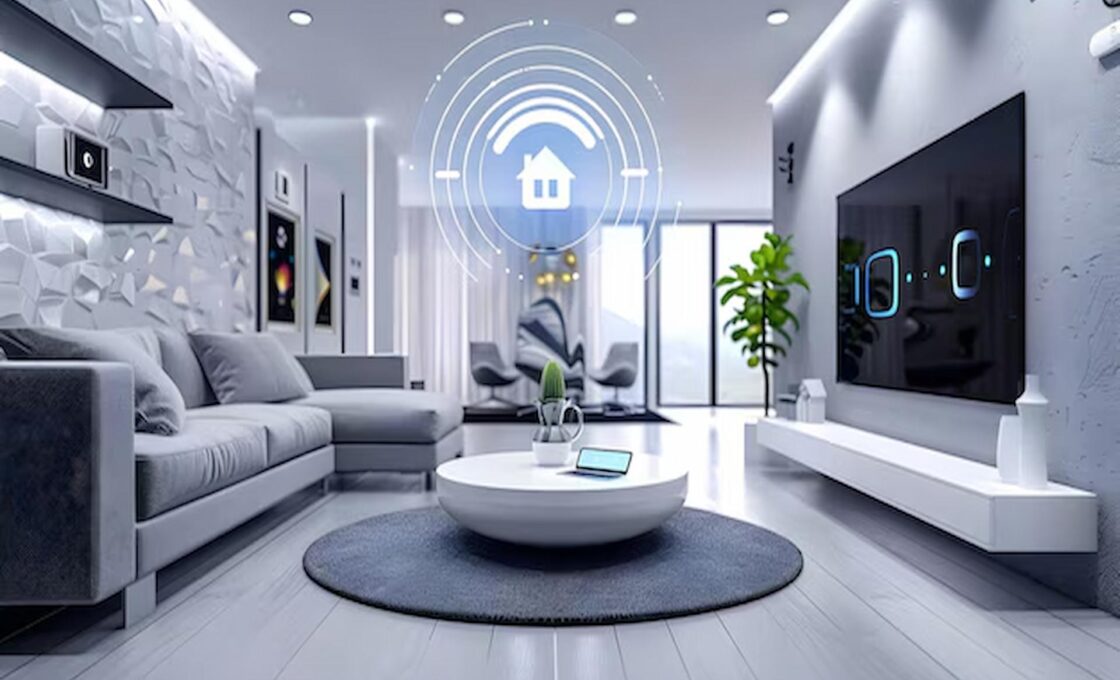
Smart homes are one of the most visible results of AI and IoT. Devices such as thermostats, lighting systems, and security cameras now adjust automatically based on behaviour patterns. AI analyses data collected from IoT sensors to predict needs. For example, a home can dim lights, adjust the temperature, and even lock doors without any human input.
These features offer more than just convenience. They bring peace of mind and save time. Voice assistants, powered by AI, integrate with connected devices to simplify daily routines. From reminding you of appointments to ordering groceries, the modern home is now a partner in everyday life.
Healthcare Transformation
Healthcare is undergoing a revolution with AI and IoT. Wearable devices track heart rate, sleep, and activity levels. AI then interprets this data, providing users with insights about their health. In some cases, these systems can alert doctors in real time, improving patient safety.
Remote monitoring also helps elderly individuals live independently for longer. IoT sensors detect changes in movement or routine, while AI predicts potential risks. This proactive approach shifts healthcare from treatment to prevention, saving costs and improving lives.
Sustainable and Smart Cities
Cities are growing at a rapid pace, and with that comes the challenge of managing resources. AI and IoT play a critical role in creating smart cities that are sustainable and efficient. Traffic systems powered by AI can reduce congestion by adjusting signals based on real-time data. Sensors track air quality, water usage, and energy consumption, helping governments make informed decisions.
Waste management also benefits from this innovation. Smart bins can alert collection services when full, reducing unnecessary trips. Combined with AI-driven analysis, cities can lower costs while improving environmental sustainability.
Energy Efficiency and Green Living
Energy use is one of the biggest challenges of modern society. Future living requires smarter consumption, and that’s where AI and IoT excel. Smart meters and connected grids analyse household energy usage. AI then provides suggestions on reducing waste, like running appliances during off-peak hours.
Renewable energy systems also benefit. Solar panels, when paired with AI and IoT, predict peak production times and adjust storage accordingly. This ensures that homes and communities make the most of clean energy, moving closer to a carbon-neutral future.
Transportation and Mobility
Intelligent systems are shaping the future of transport. Self-driving cars are the most talked-about example, but AI and IoT extend much further. Connected vehicles can share data with traffic systems, reducing accidents and optimising routes.
Public transport networks also benefit from predictive analytics. Buses and trains adjust schedules based on demand patterns. Passengers receive real-time updates, making travel smoother and more reliable. These advances create safer, faster, and greener mobility options for everyone.
The Workplace of Tomorrow
Workplaces are evolving into intelligent environments. Smart buildings adjust lighting, heating, and ventilation depending on occupancy. This reduces costs while improving employee comfort. AI-powered virtual assistants manage meetings, schedules, and workflows.
AI and IoT also enhance remote work. Virtual collaboration platforms now use AI to improve communication and IoT to ensure secure, reliable connections. These innovations create flexible, productive workspaces that support both in-office and remote employees.
Challenges and Considerations
While the benefits are clear, challenges remain. Data privacy is a major concern. AI and IoT rely on large amounts of personal data, which must be protected. Cybersecurity is another challenge, as more connected devices create new risks.
Ethical use of AI must also be considered. Decisions made by intelligent systems affect people’s lives, making transparency important. Addressing these challenges is essential to ensure trust in the technologies shaping future living.
Conclusion
The future of living powered by AI and IoT innovations is closer than we think. These technologies are not only creating smarter homes and workplaces but also transforming healthcare, transportation, and sustainability. By making daily life more efficient and personalized, they are redefining modern society.
However, the journey requires careful planning. Protecting data, addressing ethical issues, and ensuring equal access must remain priorities. When balanced correctly, AI and IoT will create a future where life is not only brighter but also safer, greener, and more connected.