From light bulbs to smartphones, everyday innovations shape how we live, work, and connect. But each product we use daily carries a hidden journey — one that starts in research labs, passes through testing phases, and ends in our homes and workplaces. This article uncovers the science behind everyday innovations, showing how creative ideas move from lab experiments to marketplace-ready products that change the way we experience the world.
Innovation touches nearly every part of our lives. From the coffee machine brewing your morning cup to the phone in your hand, each product has travelled a long path before reaching you. Understanding the science behind everyday innovations reveals how new ideas are born, tested, and refined into reliable products we use daily. This journey is not just about creativity — it is also about patience, testing, and trust.
Where Innovation Begins: The Lab
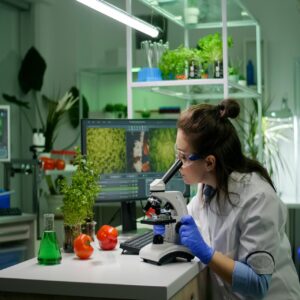
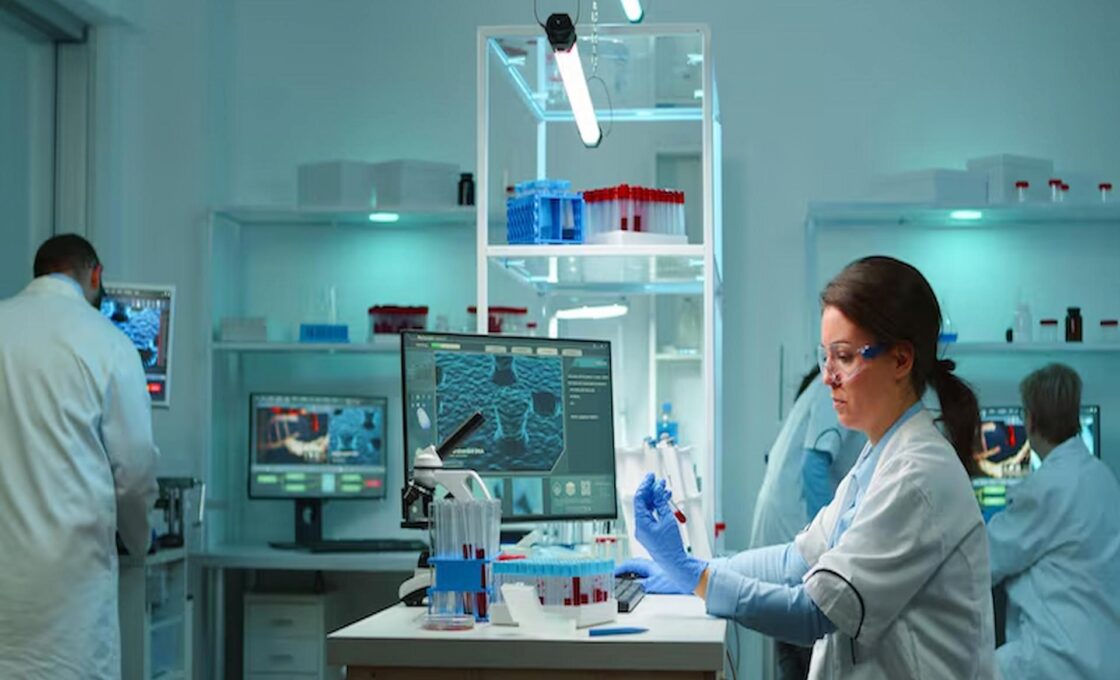
The first stage often happens behind closed doors, in research labs. Scientists, engineers, and designers ask big questions:
-
How can we make life easier?
-
What problem needs solving?
-
Can this idea work in real life?
Many breakthroughs come from trial and error. For example, the first light bulb took thousands of attempts before it worked reliably. In the lab, every failed test provides new knowledge, bringing the team closer to success.
The Role of Science in Everyday Creations
Science is the backbone of every invention. It turns raw ideas into working prototypes. Simple household items, like non-stick pans or waterproof fabrics, are born from years of testing materials, understanding chemistry, and solving safety challenges.
When we look at the science behind everyday innovations, we see that even small comforts — like a stain-resistant sofa or noise-cancelling headphones — are built on complex experiments in physics and chemistry.
From Prototype to Practical Use
Once an idea works in the lab, the next step is creating a prototype. A prototype is like a rough draft of the final product. It allows inventors to test:
-
Does it solve the problem effectively?
-
Is it safe for people to use?
-
Can it be made in large numbers at a reasonable cost?
For example, before smartphones became pocket-sized, prototypes were bulky, heavy devices. Only after multiple redesigns did they evolve into the sleek models we carry today.
Testing for Safety and Trust
No product can enter the marketplace without rigorous testing. This stage ensures people can trust what they buy. Testing may include:
-
Durability checks – Will the product last?
-
Safety trials – Is it safe for everyday use?
-
User testing – Do people find it practical and easy to use?
Think of airbags in cars. They undergo numerous crash tests before approval. These trials guarantee safety in real-world situations, building consumer confidence.
The Marketplace Transformation
Once an invention passes all tests, it moves to manufacturing. Here, ideas turn into large-scale production. This stage involves:
-
Finding the right materials.
-
Reducing costs while keeping quality high.
-
Creating designs that appeal to customers.
Marketing teams then step in to tell the story. They demonstrate how the innovation addresses problems or enhances daily life. Without effective communication, even great inventions may go unnoticed.
Everyday Examples of Science at Work
Some of the most common products today were once radical ideas:
-
Microwave ovens: Discovered accidentally when a scientist noticed a chocolate bar melting near radar equipment.
-
Velcro: Inspired by burrs sticking to clothing during a hike.
-
Post-it Notes: Born from a failed experiment to make super-strong glue.
These examples prove that everyday conveniences often emerge from unexpected experiments and creative thinking.
Why Some Innovations Fail
Not every idea succeeds. Some fail because they are too expensive to produce, while others do not meet safety standards. Sometimes, customers are not ready for the product. For instance, early versions of tablet computers failed in the 1990s but became wildly successful years later when the market was ready.
Failures are not wasted. They lay the groundwork for future improvements, proving that innovation is an ongoing cycle.
The Human Side of Innovation
Behind every product is a team of people driven by curiosity and determination. Their expertise, persistence, and ability to learn from failure push ideas forward. Collaboration between scientists, engineers, marketers, and even everyday users helps shape products that truly fit human needs.
The Future of Everyday Innovations
Today’s labs are working on smarter, greener, and more connected technologies. Future household items may include:
-
Appliances that save energy and adapt to user habits.
-
Medical devices that monitor health in real time.
-
Materials that are sustainable and eco-friendly.
These upcoming changes show how innovation is not slowing down — it is becoming even more central to solving global challenges.
Conclusion
The journey from lab to marketplace is long, but it is filled with discoveries that improve our lives. By understanding the science behind everyday innovations, we see the hidden effort, creativity, and responsibility that make modern conveniences possible. Each product tells a story of vision, hard work, and the power of science to turn ideas into everyday realities.