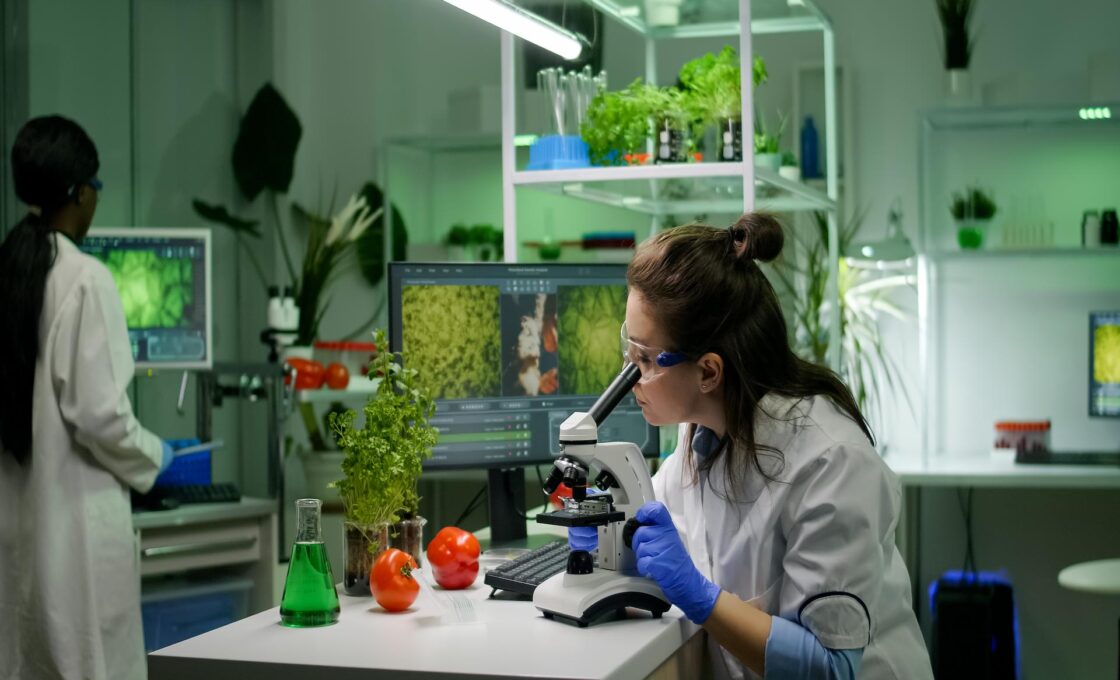
Biotechnology, once confined to laboratories and academic journals, is increasingly woven into the fabric of daily life. It powers innovations in health, agriculture, food, and environment—even in ways most of us rarely notice. This article explores how biotech moves from the lab bench to the breakfast table, from hospital wards to cleaner waterways. It aims to provide a clear view of how biotech is transforming everyday living, based on scientific evidence and grounded in practical experience.
What Is Biotechnology?
At its core, biotechnology uses living organisms, cells, or biological molecules to develop products or processes that improve human life and the environment. Techniques can range from classical fermentation (used in bread, yoghurt, cheese) to advanced methods like genetic engineering, CRISPR gene editing, and bioinformatics. The field spans many sub-disciplines: medical biotech, agricultural biotech, industrial biotech, environmental biotech, and more.
Everyday Applications of Biotechnology
Here are some concrete areas in which biotechnology has already made its way into everyday life:
1. Health and Medicine
- Vaccines and Biopharmaceuticals: Vaccines produced via recombinant DNA technology or using genetic engineering have saved millions of lives. Monoclonal antibodies, insulin produced by bacteria, and personalised medicine (tailoring treatments to a person’s specific genetic profile) are examples of biotech at work in healthcare.
- Diagnostics: Techniques such as PCR (polymerase chain reaction), genetic sequencing and rapid tests allow faster, more accurate detection of pathogens, genetic disorders, and predispositions.
2. Food, Drink and Agriculture
- Fermented Foods & Additives: Many foods we consume—from yoghurt to cheese and bread—involve fermentation or microbial action. Enzymes are used to assist flavour, texture, and shelf-life.
- Genetically Modified (GM) Crops: These are engineered for resistance to pests, drought, or for improved nutritional content (such as golden rice). Such crops can reduce dependency on chemical pesticides.
3. Industry and Environment
- Industrial Enzymes & Biomanufacturing: Enzymes are used in detergents to break down stains; in textile processing, to bleach or soften fabrics; and in producing bio-based materials. Biomanufacturing means using organisms or parts of organisms to produce chemicals or materials in more sustainable ways.
- Biofuels and Bioplastics: Biofuels derived from plants or biomass help reduce greenhouse gas emissions. Bioplastics, made from bio-polymers, are replacing some conventional plastics, leading to less pollution and lower dependency on fossil fuels.
4. Environmental Protection and Sustainability
- Bioremediation: Microbes, fungi or plants are used to clean up contaminated soils, water, or to treat waste. For instance, bacteria might degrade oil spills or heavy metals, turning toxic substances into harmless byproducts.
- Smart Materials and Green Technologies: Biotechnology contributes to making materials that degrade more naturally, require fewer chemicals, or are manufactured under lower energy input. These include biodegradable plastics, eco-friendly textiles, or even self-cleaning surfaces.
Challenges and Ethical Considerations
Of course, with excellent capability comes responsibility. Several issues accompany the spread of biotechnology in everyday life:
- Safety and regulation: Genetically engineered organisms or gene editing raise concerns about long-term effects, cross-contamination, or unintended ecological impacts. Robust regulation, transparency and independent oversight are essential.
- Equity and access: Not all communities or countries have equal access to advanced biotech products. Differences in infrastructure, regulation, and economics can leave gaps.
- Ethical considerations: Questions about gene editing in humans, modifying food organisms, patenting of biotech innovations, and biodiversity must be debated with care.
- Public perception and misinformation: Because biotechnology often deals with “DNA”, “GM”, “genes”, etc., sometimes misunderstandings/fears arise. Clear, evidence-based communication is vital.
The Future: What Might Be Ahead
Looking forward, several trends suggest biotech will deepen its role in daily life even more:
- Precision and personalised solutions: From medicine (tailoring drugs to DNA profiles) to nutrition (custom diets based on microbiome), biotech is enabling more individualised interventions.
- Sustainable food systems: Cellular agriculture (lab-grown meat), insect proteins, algae-based foods, improved crop varieties that require fewer resources (water, fertilisers) are likely to become more common.
- Integration with digital tech and data: Bioinformatics, AI, and computational biology are accelerating discovery, speeding up diagnostics, and enabling better monitoring of health or environmental parameters.
- Circular economy and zero waste: Utilising waste biomass, recycling biological materials, and closing the loop on industrial by-products through biotech processes.
Why It Matters in Everyday Life
Because biotechnology touches so many aspects of daily life, its benefits accumulate. Slight improvements in food safety, energy use, health diagnostics or waste management can together translate into better quality of life, reduced environmental footprint, and greater sustainability. In addition, as populations grow and environmental pressures increase, these biotech solutions often represent some of the most viable ways to meet challenges like climate change, hunger, disease, and pollution.
Conclusion
From vaccine developments and diagnostics to the food on our plates, the enzymes that clean our clothes, and the materials that form our textiles, biotechnology already plays an under-appreciated yet essential role in modern life. As technologies continue to advance, the bridge from lab to life will only strengthen. However, scientific rigour, ethical reflection, regulatory oversight, and public trust must keep pace. After all, the transformative potential of biotechnology depends not just on what it can do, but on how responsibly it is done.