
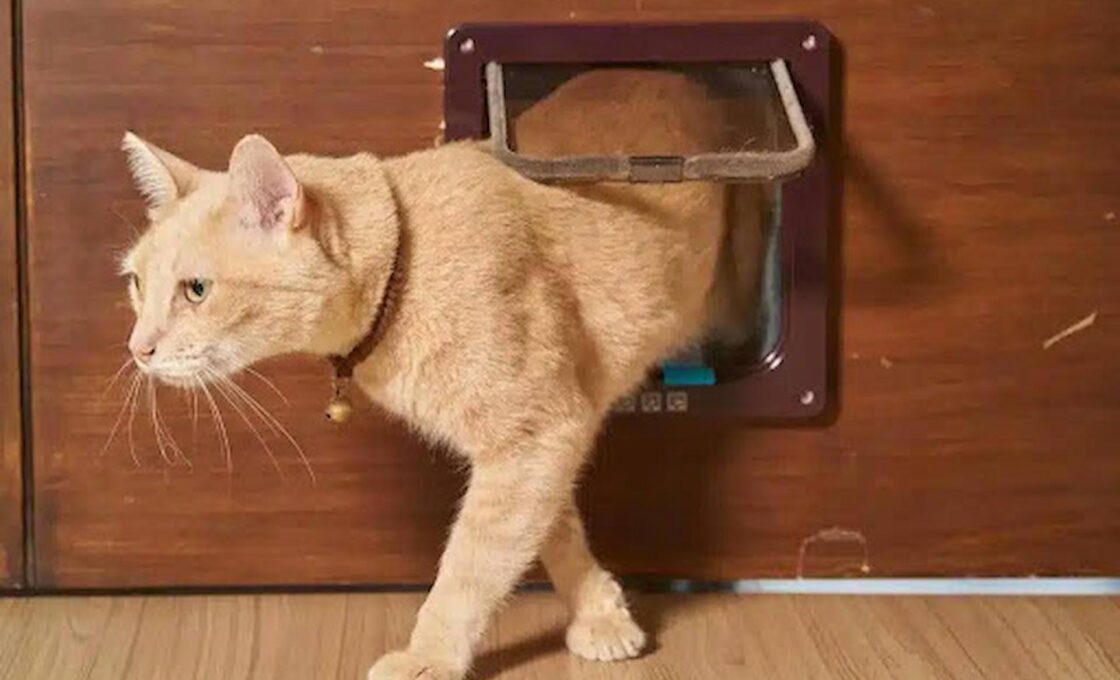
A well-placed cat flap supports independence without compromising comfort or security. Positioning matters more than many homeowners realise, influencing insulation, ease of use, and long-term durability. Careful planning ensures your cat moves freely while your home remains protected, efficient, and visually balanced.
Fitting a cat flap is a practical upgrade for any cat-friendly home, but the success of the installation depends heavily on location. The right position supports your cat’s natural behaviour while preserving insulation, security, and everyday convenience. Whether you are considering cat flap installation for doors & windows in a modern property or a traditional home, thoughtful placement is the difference between a seamless solution and ongoing frustration.
Why Location Matters More Than the Flap Itself
A cat flap is a permanent alteration to a door, wall, or glazed unit. Once fitted, moving it is rarely simple. Choosing the correct location from the outset protects both your pet’s comfort and the integrity of the structure.
Poor placement can lead to draughts, awkward access for your cat, unnecessary wear on hinges or seals, and even security concerns. By contrast, a well-chosen position integrates naturally into daily routines, remaining unobtrusive while doing its job effectively.
Common Locations for Cat Flap Fitting
Cat flaps can be installed in doors, windows, or walls, each offering different advantages and limitations. The right option depends on property layout, materials, and how the space is used.
-
Doors: Convenience and Accessibility
External doors are the most popular option for cat flap fitting. They often provide direct access to outdoor areas and are already designed to handle frequent use.
Key considerations include:
- The door’s material and thickness
- Proximity to indoor living spaces
- Exposure to wind and weather
Solid doors tend to offer straightforward installation, while composite or insulated doors require careful assessment to avoid reducing thermal performance.
-
Windows and Glazed Panels: A Clean, Integrated Look
Glazed installations can be visually discreet and space-efficient, particularly where door access is limited. Specialist glazing ensures the structural integrity of the glass is maintained.
When planning cat flap installation for doors & windows, it is important to remember that double- or triple-glazed units must be purpose-made to accommodate a flap safely.
-
Walls: Flexibility with Structural Planning
Wall-mounted cat flaps offer flexibility in layout, especially when doors or windows are unsuitable. However, this option involves more structural work and careful alignment to ensure weather resistance and internal finish quality.
Getting the Height Right for Your Cat
Correct height ensures your cat can pass through naturally without jumping or crouching. Poor height placement may discourage use and cause unnecessary physical strain over time.
Why Height Affects Comfort and Health
The vertical position of a cat flap matters more than many expect. Ideally, the base of the opening should align with your cat’s stomach level, allowing them to step through naturally without jumping or crouching.
An incorrectly positioned flap may cause:
- Reluctance to use it
- Strain on joints over time
- Mess from dragging fur or paws
A comfortable height encourages consistent use and reduces stress for your pet.
Balancing Security with Easy Access
Location plays a role in preventing unwanted entry while still allowing convenient access for your cat. Thoughtful positioning helps maintain household security without restricting movement.
Minimising Unwanted Entry
Location plays a role in home security. A cat flap placed near door handles, locks, or low-visibility areas can present avoidable risks.
To improve security through placement:
- Avoid fitting flaps close to locking mechanisms
- Choose locations with good visibility from inside
- Ensure surrounding materials are robust and well-fitted
Positioning the flap thoughtfully supports both safety and peace of mind.
Weather Exposure and Insulation Considerations
Externally exposed locations can increase draughts and heat loss if placement is not carefully considered. Cat flaps positioned in areas affected by prevailing winds or driving rain are more likely to compromise insulation and indoor comfort. Selecting a sheltered elevation and avoiding corners with strong airflow helps reduce unnecessary exposure. Proper sealing around the flap is equally important to prevent air leakage. When location and fitting are handled correctly, modern cat flap designs can maintain thermal performance without affecting energy efficiency.
Internal Layout and Daily Living
The internal placement of a cat flap should work naturally with the way the home is used each day. Positioning it in a quiet, low-traffic area helps cats feel secure while entering or exiting and reduces disruption to household routines. Poor placement can interfere with furniture arrangements, restrict walkways, or clash with door swing paths and noise-sensitive areas. Planning the location around everyday movement ensures the flap integrates smoothly into the living space rather than becoming an obstacle.
Actionable Tips for Choosing the Best Location
Practical checks such as structure suitability, height alignment, and exposure assessment help avoid future issues. These steps support a smooth installation and reliable long-term performance.
- Assess structure first: Confirm whether doors, windows, or walls are suitable before deciding.
- Prioritise comfort: Set the height based on natural movement rather than convenience alone.
- Think long-term: Choose a position that will still work if layouts or routines change.
- Limit exposure: Reduce draughts by avoiding highly exposed external surfaces.
- Plan professionally: Accurate measurements and proper materials prevent future issues.
Planning for Professional Installation
Professional assessment ensures compatibility with materials, particularly for glazing and insulated units. Experienced installers understand how placement affects performance, durability, and appearance.
Midway through planning, many homeowners find that cat flap installation for doors & windows benefits from expert input, especially where structural or energy-efficiency concerns exist. Careful preparation avoids unnecessary adjustments later.
In closing remarks
Choosing the right location for a cat flap is a balance of comfort, security, and structural awareness. By considering height, exposure, internal layout, and material suitability, homeowners can achieve a solution that works quietly and reliably every day. With thoughtful planning and well-informed decisions, cat flap installation for doors & windows becomes a practical enhancement that respects both your cat’s needs and your home’s design.