Most homeowners understand that heating and cooling systems require occasional maintenance, but few realize how much depends on one small component: the HVAC air filter. It is inexpensive, easy to replace, and often overlooked. Yet this simple filter plays a major role in protecting your equipment, maintaining energy efficiency, and improving the air your family breathes every day.
When air filters are ignored, problems tend to develop slowly. Airflow becomes restricted, system performance declines, energy bills increase, and components experience unnecessary strain. By the time noticeable symptoms appear, the damage may already be affecting comfort, efficiency, and system lifespan. Understanding why air filter replacement matters can help homeowners avoid costly repairs and create a healthier indoor environment.
Why HVAC Air Filters Matter More Than Most People Think
Your HVAC filter serves as the first line of defence against airborne particles circulating throughout your home. As air moves through the system, the filter captures contaminants before they reach sensitive equipment and living spaces. A quality air filter helps remove:
- Dust and dirt particles
- Pollen and seasonal allergens
- Pet dander and hair
- Mould spores
- Lint and textile fibres
- Fine airborne debris
Beyond improving indoor air quality, the filter also prevents these particles from accumulating on critical HVAC components. This protection helps maintain system performance and reduces wear over time.
What Happens When a Filter Becomes Clogged?
A dirty filter does much more than collect dust. As debris accumulates, airflow becomes increasingly restricted. The entire HVAC system must work harder to move air throughout the home. Common consequences include:
- Reduced airflow from vents
- Higher energy consumption
- Uneven room temperatures
- Increased strain on the blower motor
- Reduced heating and cooling efficiency
- Greater risk of system breakdowns
Over time, restricted airflow can contribute to overheating, frozen evaporator coils, and premature equipment failure. Considering that replacing an HVAC system can cost thousands of pounds or dollars, regularly changing a relatively inexpensive filter becomes one of the smartest maintenance investments a homeowner can make.
The Connection Between Air Filters and Indoor Air Quality
Indoor air quality has become an increasingly important topic, especially as people spend more time indoors. Air filters help reduce the number of airborne contaminants circulating through living spaces.
For households with allergy sufferers, asthma patients, children, or elderly family members, clean filters can make a noticeable difference. Dust, pollen, pet dander, and mould spores can trigger respiratory symptoms and discomfort when allowed to accumulate.
A clean filter cannot eliminate every indoor pollutant, but it significantly reduces the amount of airborne debris recirculating through the home. This creates a cleaner, healthier environment and contributes to greater comfort throughout the year.
Understanding MERV Ratings
One of the most confusing aspects of air filter selection is the MERV rating system. MERV stands for Minimum Efficiency Reporting Value and measures a filter’s ability to capture airborne particles.
- MERV 1–4
- Captures larger particles such as dust and lint.
- Provides basic filtration.
- Allows excellent airflow through the HVAC system.
- MERV 5–8
- One of the most common choices for residential homes.
- Captures dust, pollen, mould spores, and pet dander.
- Offers a good balance between filtration and airflow.
- MERV 9–12
- Provides enhanced filtration performance.
- Captures finer airborne particles.
- Often recommended for households with pets, allergies, or respiratory sensitivities.
The best filter is not necessarily the one with the highest MERV rating. Choosing the right filter means balancing air-cleaning performance with your HVAC system’s airflow requirements. A filter that is too restrictive can reduce efficiency and place unnecessary strain on the system..
How Often Should You Replace Your HVAC Filter?
The common advice to replace filters every three months is only a general guideline. Actual replacement frequency depends on several factors unique to each household. Homes with pets often require more frequent filter changes because pet hair and dander can accumulate quickly. If you have multiple pets, inspecting the filter monthly is usually a good idea.
Families dealing with allergies may benefit from replacing filters every 30 to 60 days. A cleaner filter can help reduce airborne allergens and support better indoor air quality. Nearby construction projects can significantly increase the amount of dust and debris entering your home. During these periods, filters may become clogged more quickly and require earlier replacement.
High HVAC usage is another important factor. Systems that run continuously during very hot summers or cold winters naturally collect more airborne particles, causing filters to fill up faster. Seasonal changes can also affect replacement schedules. Spring and autumn often bring higher levels of pollen and other allergens, which may shorten the lifespan of a filter.
Rather than relying solely on the calendar, homeowners should inspect their filters regularly and replace them whenever they appear visibly dirty. This personalised approach helps maintain airflow, improve efficiency, and support healthier indoor air quality throughout the year.
Signs Your Air Filter Needs Replacement
Even if you do not follow a strict schedule, certain warning signs indicate that a filter may need immediate attention.
Reduced Airflow
If airflow from vents feels weaker than usual, a clogged filter may be restricting circulation.
Rising Energy Bills
An overworked system consumes more energy, leading to higher utility costs.
Excess Dust Indoors
If surfaces become dusty shortly after cleaning, the filter may no longer be effectively capturing airborne particles.
Increased Allergy Symptoms
More frequent sneezing, coughing, or respiratory irritation can indicate declining indoor air quality.
Longer Heating or Cooling Cycles
When airflow is restricted, the system often takes longer to reach the desired temperature.
How to Replace an HVAC Air Filter
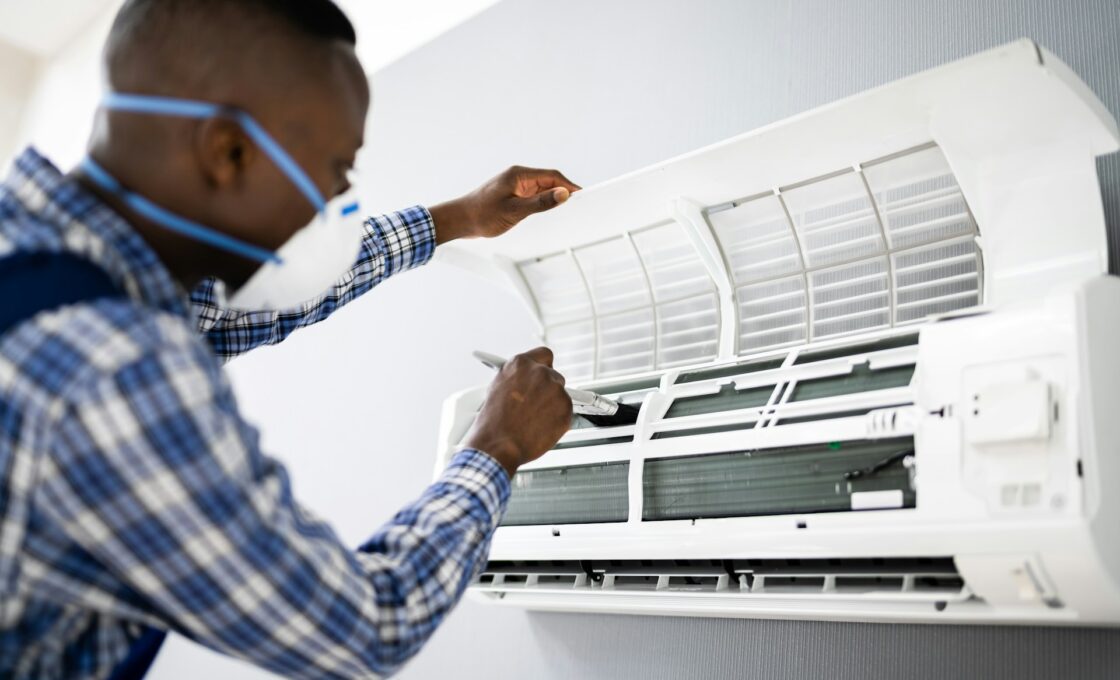
Replacing an HVAC air filter is a quick and simple maintenance task that most homeowners can complete in just a few minutes.
- Switch off the HVAC system before beginning to ensure safe handling.
- Find the filter compartment, which is usually located near the return air duct or inside the indoor unit.
- Carefully remove the old filter and inspect it for dust and debris buildup.
- Check the airflow arrow printed on the new filter to ensure proper installation.
- Insert the new filter securely, making sure it fits snugly in the designated slot.
- Close the access panel or compartment once the filter is in place.
- Turn the system back on and confirm that airflow is operating normally.
Most homeowners can complete this process in less than five minutes, making it one of the simplest yet most valuable maintenance habits for protecting HVAC performance and indoor air quality.
The Long-Term Benefits of Regular Filter Replacement
A consistent filter replacement routine delivers benefits that extend far beyond cleaner air. When airflow remains unrestricted, the HVAC system can operate more efficiently, helping to reduce energy consumption and keep utility costs under control. Clean filters also minimise strain on important components such as motors, fans, and coils, which can contribute to a longer equipment lifespan and fewer unexpected breakdowns.
Regular filter changes support more consistent airflow throughout the home, making it easier to maintain comfortable indoor temperatures in every room. They also help reduce the circulation of dust, allergens, and other airborne particles, creating a cleaner and healthier living environment. Over time, this simple maintenance habit can improve comfort, lower repair expenses, and help protect one of the most valuable systems in your home.
FAQ’s
- How often should an HVAC air filter be replaced?
Most HVAC air filters should be replaced every 30 to 90 days, depending on household conditions. Homes with pets, allergy sufferers, or high system usage may require more frequent changes. Regular inspections help determine the ideal replacement schedule and ensure optimal airflow and system efficiency.
- What happens if I do not change my HVAC air filter?
Failing to replace a dirty air filter can restrict airflow, increase energy consumption, reduce heating and cooling performance, and place additional strain on HVAC components. Over time, this may lead to costly repairs, reduced system lifespan, and poorer indoor air quality.
- Which MERV rating is best for residential HVAC systems?
For most homes, filters with MERV ratings between 5 and 8 provide an effective balance between airflow and filtration. Homes with pets, allergies, or respiratory concerns may benefit from MERV 9 to 12 filters, provided the HVAC system can accommodate them.
- Can a clean air filter help lower energy bills?
Yes. A clean HVAC filter allows air to move freely through the system, reducing the workload on motors and other components. Improved airflow helps maintain efficiency, which can lower energy consumption and contribute to reduced utility costs over time.
- How does an HVAC air filter improve indoor air quality?
HVAC air filters capture airborne contaminants such as dust, pollen, pet dander, mould spores, and other particles before they circulate throughout the home. Regular filter replacement helps maintain cleaner indoor air and may reduce allergy and respiratory symptoms.
- What are the signs that an HVAC air filter needs replacing?
Common warning signs include weak airflow from vents, rising energy bills, excessive dust around the home, longer heating or cooling cycles, and increased allergy symptoms. If the filter appears visibly dirty, it should be replaced promptly.
- Is replacing an HVAC air filter a DIY task?
Yes. Replacing an HVAC air filter is one of the easiest home maintenance tasks. Most homeowners can complete the process in just a few minutes by removing the old filter, installing a properly sized replacement, and ensuring the airflow direction is correct.
Conclusion
HVAC air filter replacement is one of the simplest yet most effective ways to improve indoor air quality, enhance energy efficiency, and protect your heating and cooling system from unnecessary strain. A clean air filter supports healthy airflow, helps remove dust, pollen, pet dander, and other airborne pollutants, and allows your HVAC equipment to operate at peak performance throughout the year. By understanding MERV ratings, monitoring filter condition regularly, and replacing filters based on your home’s specific needs, you can reduce energy costs, prevent expensive repairs, and extend the life of your system. This small maintenance habit delivers lasting benefits for comfort, efficiency, and family health, making it an essential part of responsible homeownership.